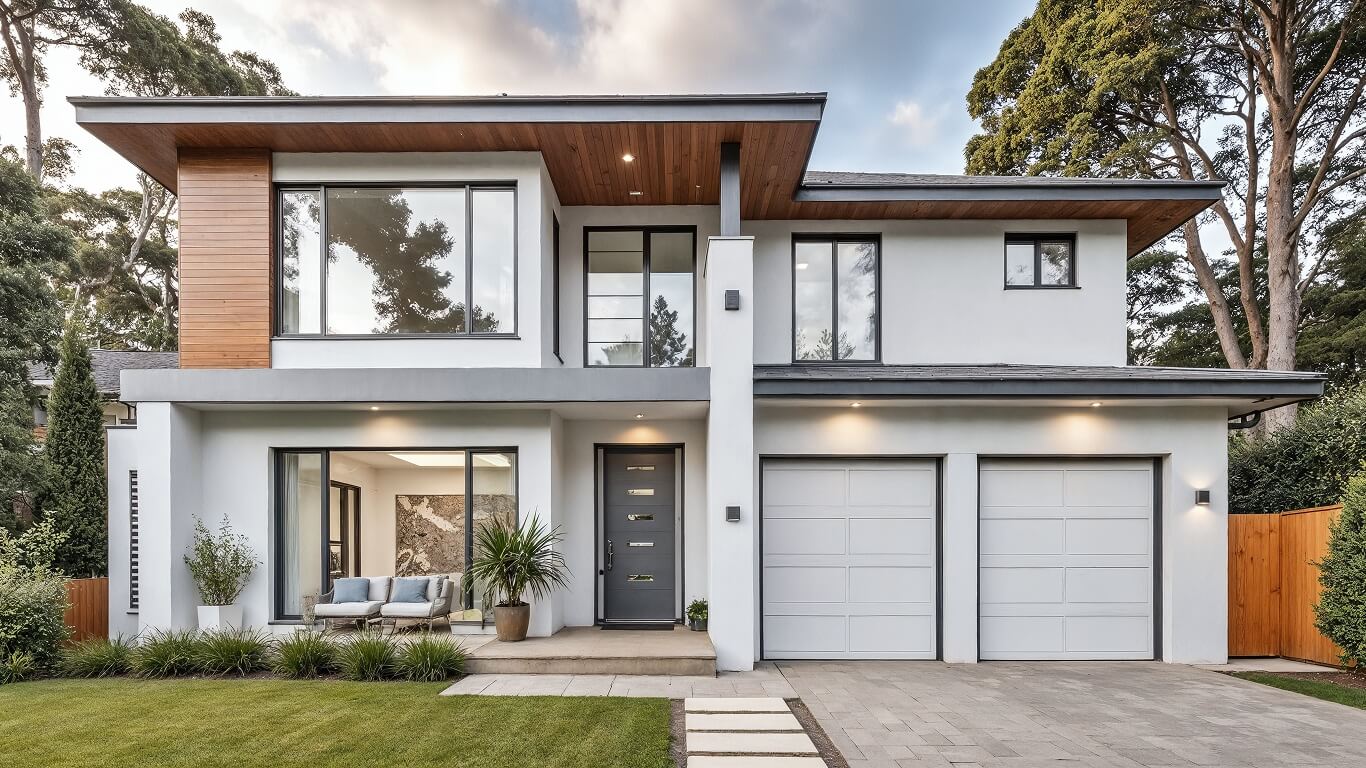
As environmental awareness continues to grow, sustainable building practices have become essential in modern construction. Future-ready spaces are designed to minimize environmental impact while providing healthier and more efficient living environments for residents.
Energy-Efficient Design
Modern sustainable buildings incorporate energy-saving features such as LED lighting, high-performance insulation, and energy-efficient windows. These solutions reduce energy consumption and contribute to lower utility costs.
Eco-Friendly Construction Materials
Developers are increasingly using sustainable materials that minimize environmental impact without compromising quality. Recycled materials, responsibly sourced wood, and low-emission products contribute to greener construction practices.
Water Conservation Solutions
Rainwater harvesting systems, water-efficient fixtures, and smart irrigation technologies help conserve valuable water resources while reducing operating costs for homeowners and communities.
Healthier Indoor Environments
Sustainable buildings prioritize indoor air quality, natural lighting, and proper ventilation. These features create healthier and more comfortable living spaces that enhance overall well-being.
Long-Term Environmental Benefits
Green building practices reduce carbon footprints and support environmental conservation. Sustainable developments not only benefit current residents but also contribute to a healthier future for generations to come.
Conclusion
Sustainable construction is shaping the future of real estate by creating efficient, environmentally responsible, and cost-effective living spaces. Investing in future-ready developments provides lasting value while supporting a more sustainable world.